Beyond Basic Slips: Engineering Multi-Needle Quilted and Embroidered Furniture Covers
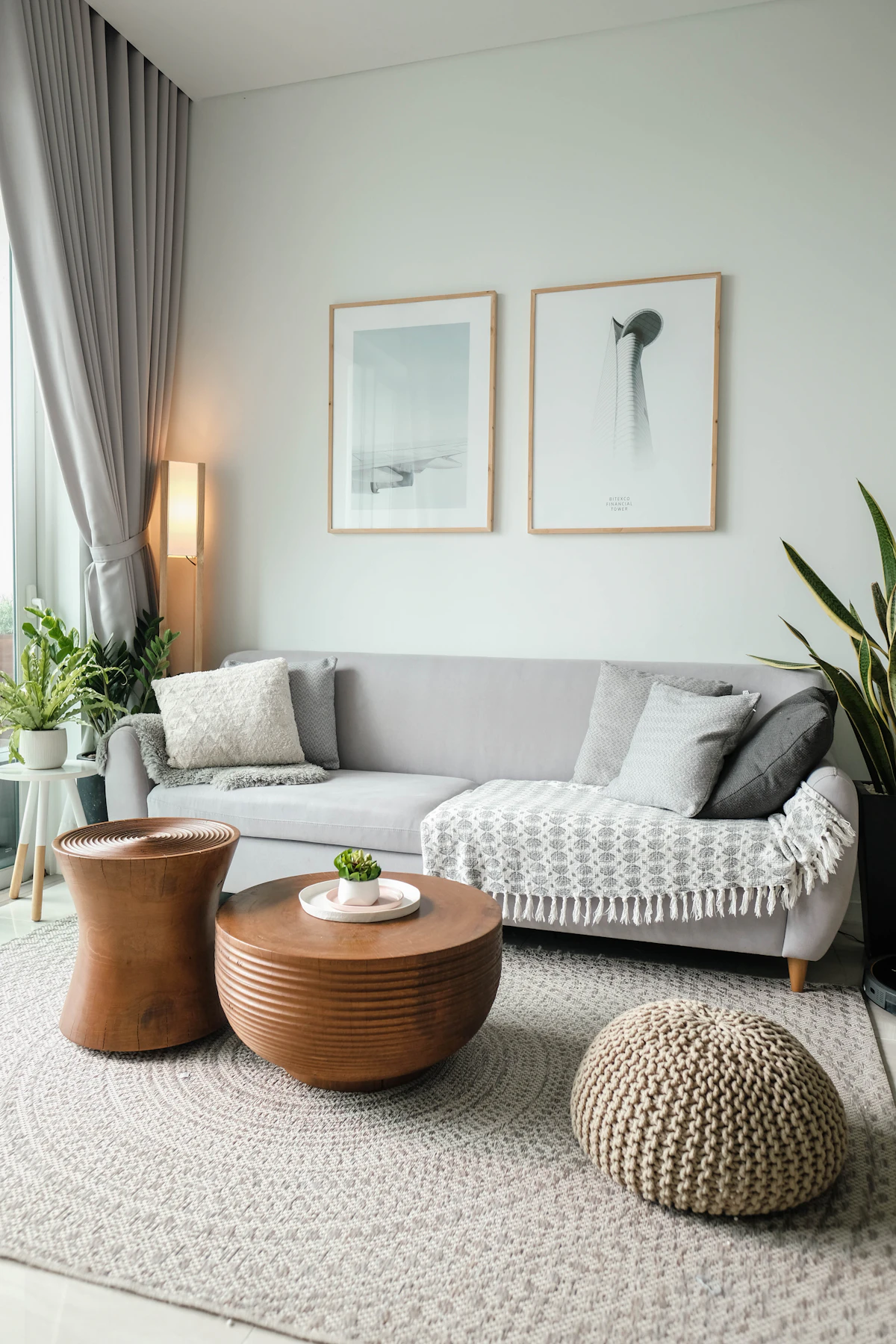
"Historically, sofa covers were viewed as functional compromises—loose, shift-prone throws deployed merely to protect heirloom furniture from wear. Today, precision textile engineering has transformed the category into a standalone design feature."
Multi-Needle Computerized Quilting
Modern furniture protectors rely on synchronized multi-needle quilting systems that stitch intricate geometric grids—from subtle hexagonal lattices to flowing wave motifs—directly across high-loft wadding. This locks the batting permanently in place, preventing clumping even after dozens of commercial wash cycles.
The Science of Friction Stabilization
The primary point of failure in conventional sofa slips is continuous migration across smooth leather or performance upholstery. By applying micro-dot silicone backing or high-friction brushed microfiber to the reverse face, the cover remains firmly anchored without causing chemical residue transfer to delicate leather.
Artisan Corded Embroidery Accents
For premium retail collections, integrating Schiffli and multi-head corded embroidery along border flanges introduces artisanal value. These heavy embroidery threads create contrasting tactile focal points while reinforcing perimeter stress zones.
Key Specifier & Weaving Takeaways
- Continuous multi-needle stitching prevents internal batting migration during wash cycles.
- Micro-textured silicone grip patterns maintain position on smooth leather surfaces.
- Reinforced corded borders provide dimensional stability and visual framing.
Request memo swatches for this textile category
Our Panipat facility provides rapid strike-offs and swatches for private-label and contract specifiers.
Further Reading from the Journal
The Tactile Alchemy of Chenille: Weaving Warmth and Structural Durability
An architectural examination of caterpillar-twist yarns, double-shuttle weaving, and how modern textile weavers balance soft surface pile with high Martindale abrasion resistance.
Holland Velvet vs. Traditional Velvets: An Architect’s Guide to Sheen, Pile, and Performance
Unpacking the molecular structure of micro-pile Holland velvets and why contemporary specifiers favor subtle directional luster over high-shine vintage plush.
The Architecture of Mosha: Why Designers Are Embracing Matte Velvet Formulations
Exploring the resurgence of heavy-ground Mosha velvet in minimalist residences, luxury residential sectionals, and acoustic paneling.