Closing the Loop: Low-Impact Dyeing, Recycled Yarns, and Ecological Weaving Practices
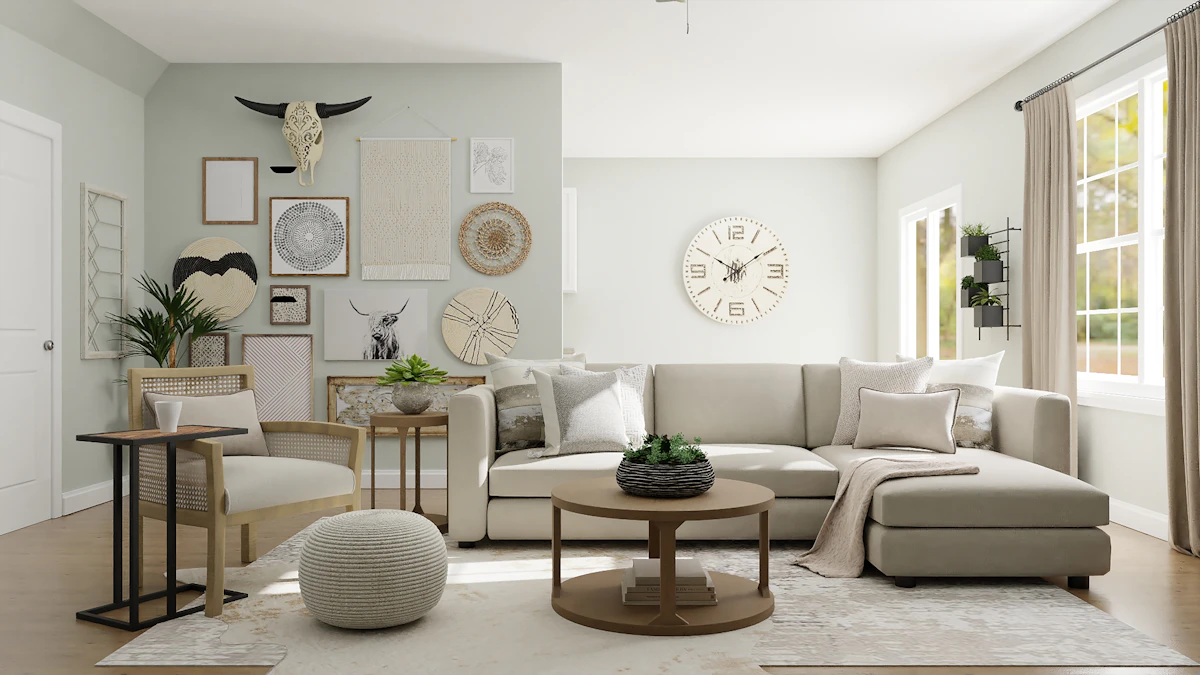
"The global textile industry is undergoing a profound environmental recalibration. Today's commercial specifiers demand rigorous transparency regarding chemical management and wastewater discharge."
Clean & Safe Chemical Management
Textiles engineered for direct skin contact must be thoroughly verified free of harmful substances, including heavy metals, formaldehyde, and phthalates. For bedding and sofa covers, clean chemistry and safe finishing have become essential baseline prerequisites.
Harnessing Sustainable Recycled Yarns
Modern post-consumer recycled polyester yarns (rPET) have reached tensile and aesthetic parity with virgin filaments. When woven into textured chenille or structural sofa covers, recycled yarns divert plastic waste from landfills without compromising the fabric's soft handfeel or longevity.
Zero Liquid Discharge (ZLD) Systems
Water stewardship in Panipat's modern industrial sectors has made enormous strides. Advanced reverse osmosis and thermal evaporation systems recover up to 90% of processing water back into the dyeing circuit, drastically minimizing groundwater extraction.
Key Specifier & Weaving Takeaways
- Clean chemical management eliminates hazardous compounds across all skin-contact textiles.
- Recycled filaments deliver identical tensile strength to virgin synthetic yarns.
- Closed-loop water filtration safeguards local hydrological ecosystems.
Request memo swatches for this textile category
Our Panipat facility provides rapid strike-offs and swatches for private-label and contract specifiers.
Further Reading from the Journal
The Tactile Alchemy of Chenille: Weaving Warmth and Structural Durability
An architectural examination of caterpillar-twist yarns, double-shuttle weaving, and how modern textile weavers balance soft surface pile with high Martindale abrasion resistance.
Holland Velvet vs. Traditional Velvets: An Architect’s Guide to Sheen, Pile, and Performance
Unpacking the molecular structure of micro-pile Holland velvets and why contemporary specifiers favor subtle directional luster over high-shine vintage plush.
The Architecture of Mosha: Why Designers Are Embracing Matte Velvet Formulations
Exploring the resurgence of heavy-ground Mosha velvet in minimalist residences, luxury residential sectionals, and acoustic paneling.